
Cross-border parcels, moving as cleanly as your domestic ones.
Be the operator who's ready for cross-border's next chapter.
Run shipping, customs, manifests, billing, and tracking on one platform built for the realities of cross-border e-commerce.
Domestic and international, on the same rails, without the integration sprawl.

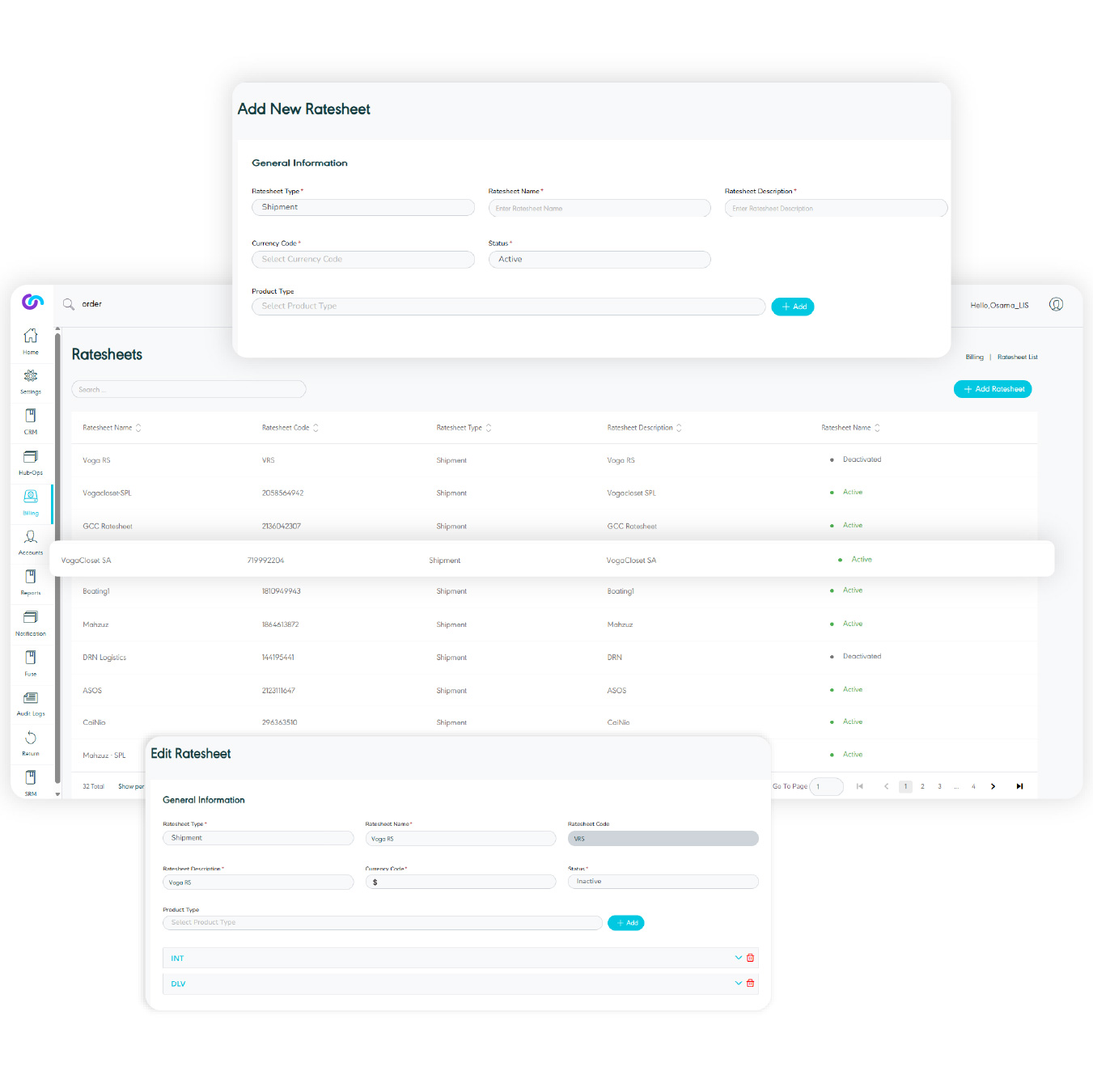
Cross-border, end to end, on one platform.

Margin stops hiding until month-end
You find out which lanes lost money on the 28th. You find out which customers cost more to serve than they pay on the 31st. By then the next month is already pricing the same way.
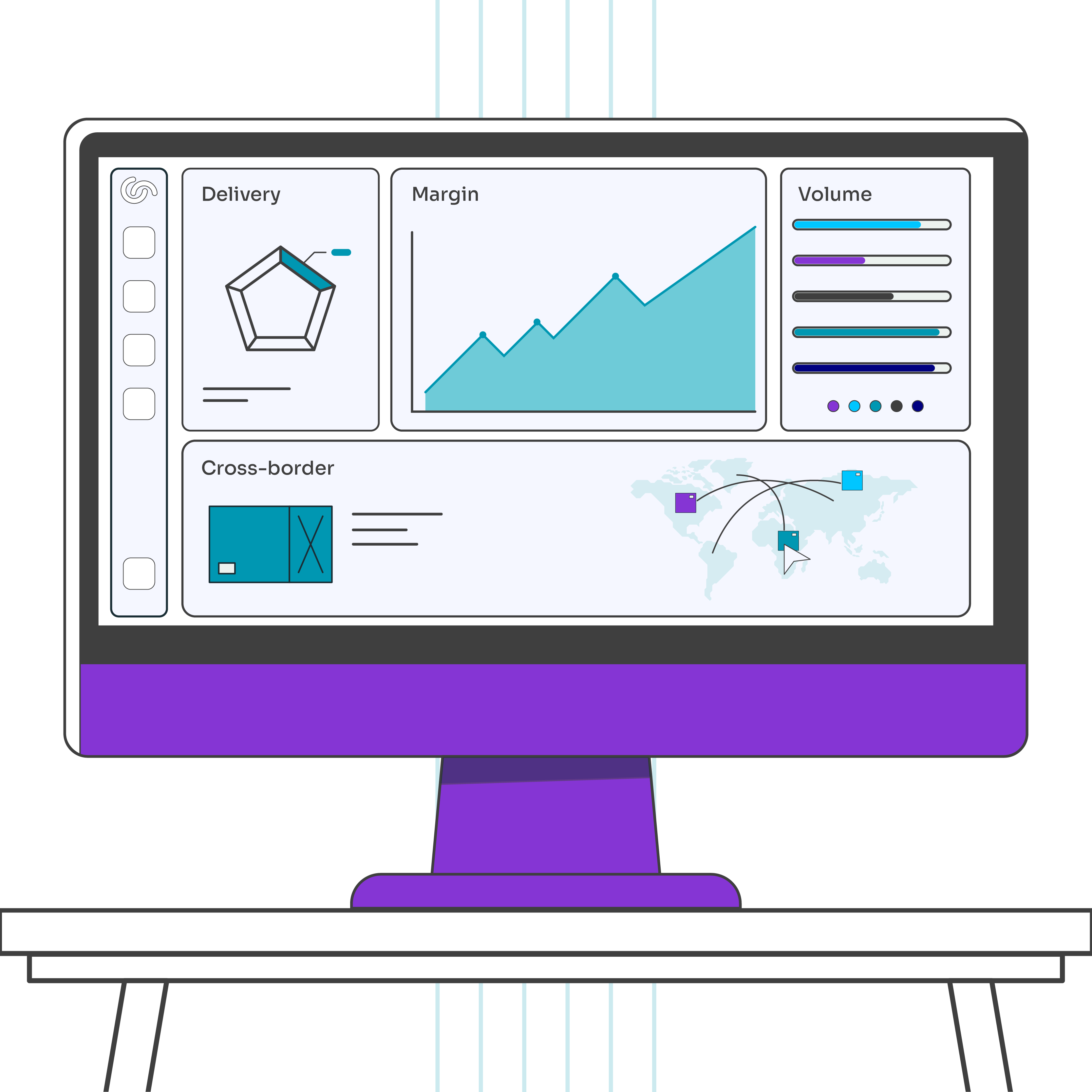
Live cost-to-serve and live revenue against every parcel, every lane, every customer. The leak shows up the day it happens. You fix it the day it happens.
The next month prices on what's actually true.
Cross-border stops being the exception that breaks everything
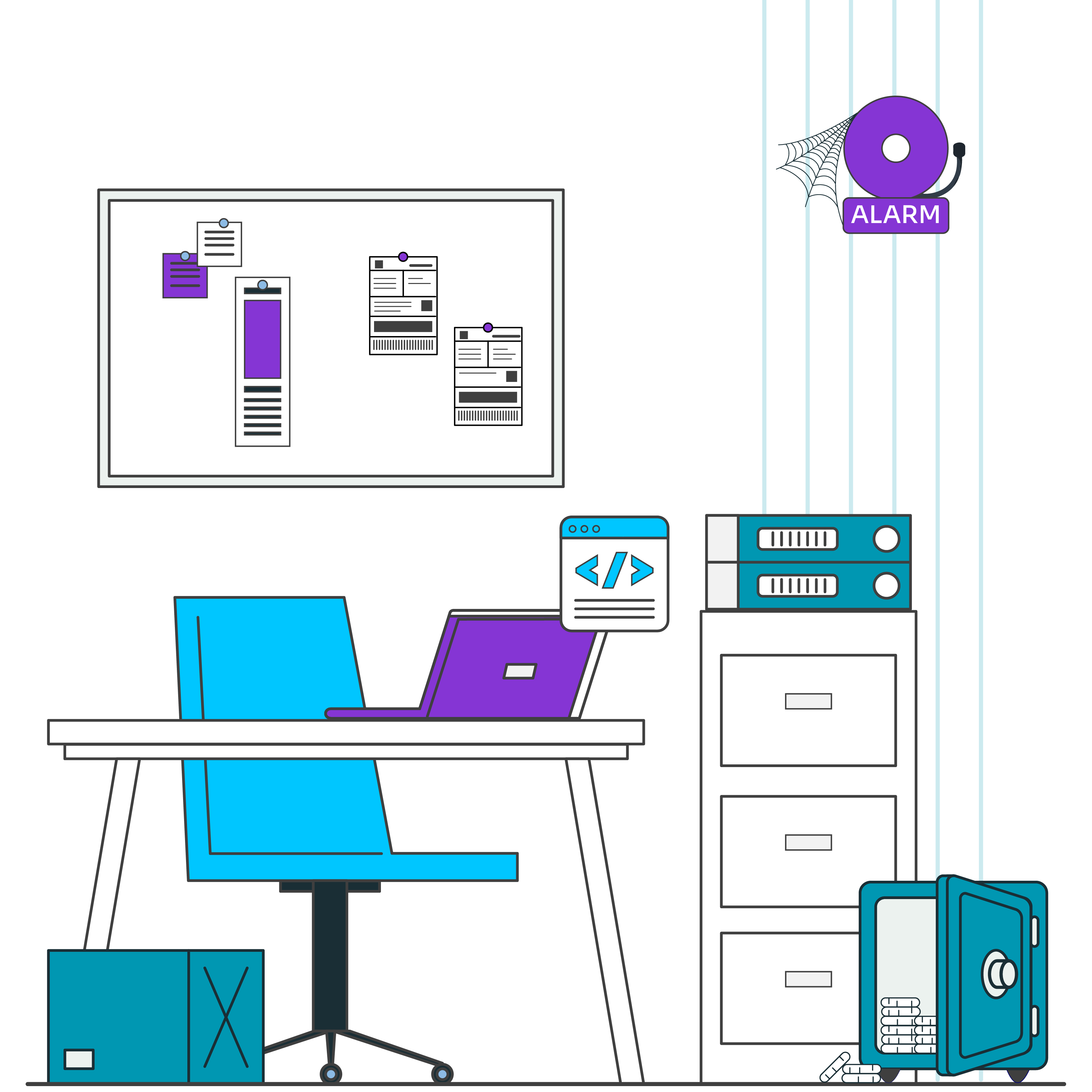
Domestic runs cleanly. Then a parcel needs an HS code, an IOSS number, a duty calculation, a customs declaration, a different label, a different carrier. Suddenly there are four systems open and a person doing it manually.
DDP, IOSS, duty, VAT, customs, all handled at the parcel by default. Domestic and cross-border on the same operation, the same data, the same finance view.
Cross-border becomes a flow, not a fire drill.
Growth the operation can actually keep up with
The pattern most parcel businesses know: commercial signs a new customer, a new lane, a new market. Operations spends the next three months figuring out how to deliver on it. By the time it's running smoothly, commercial has signed the next one.
Manifesting, labels, customs, exceptions, billing, all automated end to end. New lanes, new customers, new markets, all live in days, not quarters.
Commercial and operations finally moving at the same speed.


Four cross-border headaches. One platform underneath them.
Posts running e-commerce on mail-era systems
Letters and commercial parcels are not the same business. The platforms underneath them shouldn't be either.
Carriers stitching operations across four vendors
Shipping here. Customs there. Billing in a spreadsheet. Every integration is a place where margin and visibility leak.
Forwarders quoting cross-border without live margin
Consolidator economics don't translate to parcel economics. You need the data before the quote, not after the invoice.
The 1 July 2026 EU de minimis change
Every low-value EU-bound parcel about to carry duty, VAT, and clearance overhead it never had to carry before.
See your cross-border run as one flow.
Bring us one lane or one customer that's hard to run. In the demo we'll show you the parcel moving cross-border on GN TEQ end to end, customs and duty handled at source, and the live cost-to-serve against it. No deck, just your numbers.

AFFILIATED BODIES