In cross-border logistics, complexity doesn’t creep in it arrives fast. Volumes shift by lane and season, supplier costs vary by weight and routing, and small blind spots can quietly erode margin before anyone notices.
For many operators, the problem isn’t a lack of data. It’s that by the time financial insight arrives, the decisions that shaped it are already weeks old.
That tension sat at the centre of a recent fireside chat between Danie Meyer, CFO of Skynet Worldwide Logistics, and Francois Lazzari, CEO of GN TEQ, where they discussed how Skynet moved from delayed, manual reporting to a more operational, parcel-level view of profitability and what that change unlocked across the business.
When growth outpaced the close
As Skynet expanded across Africa, Europe and APAC through acquisitions and organic growth, the finance function was dealing with an increasingly fragmented picture. Different regions, suppliers and cut-off times meant month-end was never clean.
“There was visibility, but it was always delayed and manual.”
Danie Meyer, CFO, Skynet Worldwide Logistics
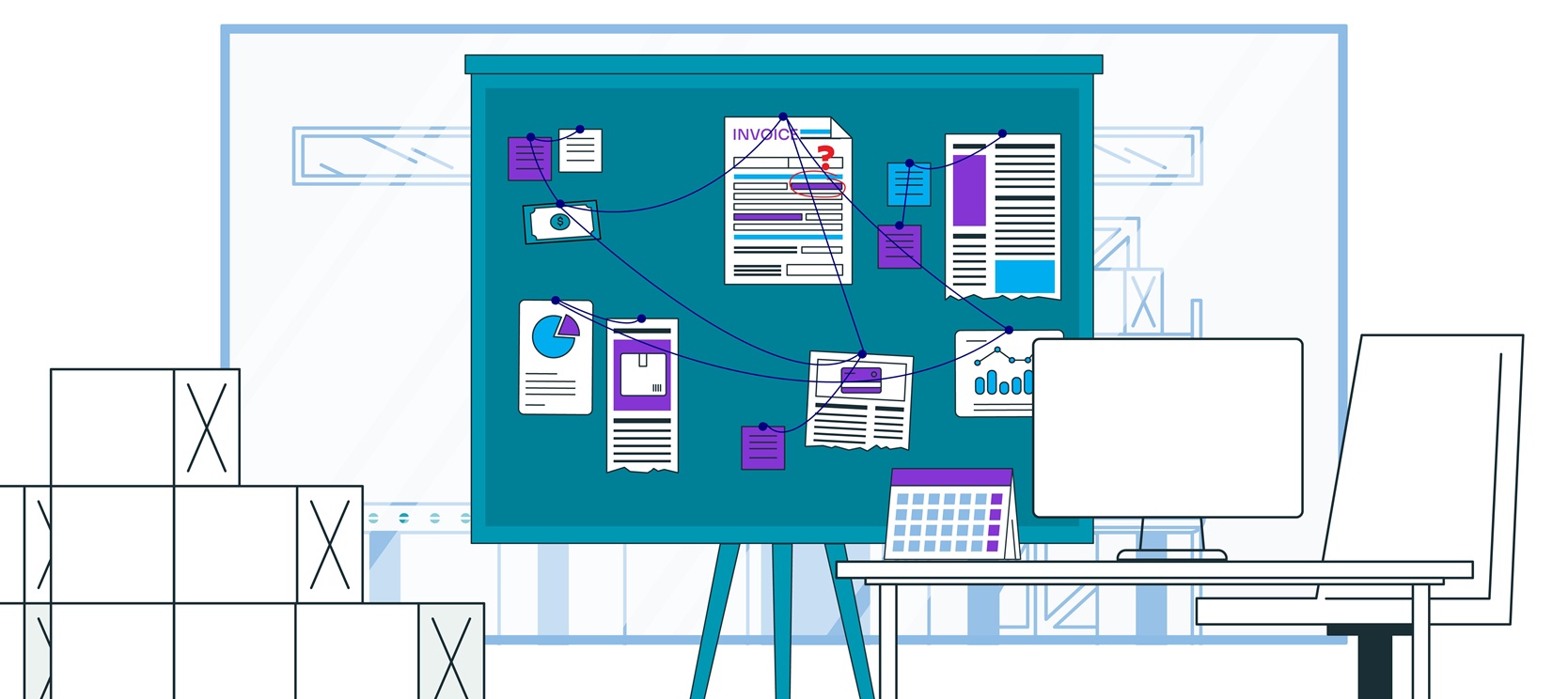
Financials typically landed two to three weeks into the following month. By then, teams were reconciling airline invoices across month-end, resolving disputes on linehaul costs, and explaining margin swings on lanes that had already moved on.
Commercial decisions were often made in parallel pricing renewals, customer negotiations, routing changes without a clear view of what the previous month had delivered.
“The issue wasn’t confidence in the numbers; it was the timing.”
Danie Meyer
The hidden cost of delay
That lag had real operational consequences, especially during peak periods.
At Christmas or Easter, finance teams were stretched thin: chasing late supplier invoices, reconciling weight disputes, patching spreadsheets, and trying to close while operations prioritised throughput and service continuity. Insight slipped further, just as volume volatility increased.
“You almost lose a 30-day cycle. Any decision you take, you only see the impact 45 days later.”
Danie Meyer
The result wasn’t catastrophic failure, it was something more insidious: decisions made with partial information, margin surprises that surfaced too late to correct, and time spent explaining history rather than steering performance.
Why parcel-level visibility mattered
For Skynet, improving visibility wasn’t about producing faster statutory accounts. It was about understanding operational profitability while it was still actionable.
“The moment we receive a parcel when we know the weight, dimensions and destination we should already understand what our profitability looks like.”
Danie Meyer
In practice, this meant focusing on the economics that move the business: revenue at the point of rating, and the core cost driver’s collection, linehaul, airline and final-mile delivery. The aim wasn’t perfection, but a reliable, operational view that removed the biggest unknowns.
There would always be late invoices, disputes and adjustments. But those no longer needed to obscure the broader picture.
What “real-time Parcel P&L” actually means
Skynet’s “real-time P&L” is not an instant month-end close. It’s an operational profitability view that updates daily and reflects the vast majority of revenue and cost of sales activity.
Revenue is priced as soon as a label is created (even if invoicing follows weekly or monthly). Key variable costs are calculated at label level and populated into profitability reporting overnight. More fixed costs, labour, facilities, packaging, are allocated separately.
“If I know what goes into cost of sales, I can forecast our profitability extremely accurately by month-end.”
Danie Meyer
There are exceptions: disputes, late supplier data, edge cases. But those are managed as exceptions, not as the dominant signal.
Automation that changed behaviour, not just workload
One of the biggest shifts came from automating the revenue and invoicing cycle.
“Over 99% of our revenue cycle is automated from capturing the data to sending invoices.”
Danie Meyer
The remaining edge cases still exist; disputes, customer-specific exceptions, but they are visible, contained and intentional.
The impact wasn’t just efficiency. It changed how finance spent its time. Less manual reconciliation meant more focus on trends, margin movement, and collaboration with commercial and operations teams.
Better data, better conversations
As visibility improved, the tone of internal conversations changed.
“It took the surprises out of the business.”
Danie Meyer
Meetings stopped revolving around whether numbers were right or wrong. Instead, discussions focused on why something happened yesterday; empty vehicles, inefficient routing, unexpected volume shifts and what needed to change today.
Operations could act while context was fresh. Finance could support decisions in-flight, not post-mortem.
“Operational discussions moved from ‘did this happen?’ to ‘why did it happen and how do we fix it?’”
Danie Meyer
A mindset shift, not just a system change
Both Danie and Francois are clear that this wasn’t a plug-and-play exercise. Rate governance, data discipline, operational adoption and change management all matter.
“The hardest part is making the decision and then working with the right partner to adapt the system to your business, not the other way around.”
Danie Meyer
For finance leaders, the shift is cultural as much as technical: moving from control and reporting to commercial understanding and operational partnership.
Where GN TEQ fits
GN TEQ supported Skynet by enabling parcel-level revenue and cost visibility, automated billing, and daily profitability insight, without requiring a full system replacement.
More importantly, it made a different operating model possible: one where finance, operations and commercial teams work from the same view of reality, early enough to act.
For operators exploring how to move from delayed reporting to operational financial insight, GN TEQ offers a practical starting point often through a focused pilot or scoped assessment rather than a wholesale transformation.