Returns are where cross-border stops being a plan and starts being an operation
Most cross-border plans sound fine until the first wave of returns hits.
Outbound is visible and easy to score. Returns are where the hidden costs show up: partner fees you did not model, rework hours in ops, longer contact centre queues, stock that never makes it back into saleable inventory, and finance disputes about who owes what.
This part is written for carrier, forwarder and postal leaders building a cross-border product. Because when returns go wrong, it does not just hit “the returns team”. It drags in ops, customer support, finance, compliance and partner management.
Where returns start to break things
“Returns” is not one flow. It is several flows that get lumped into the same label:
- A buyer changes their mind and wants an easy drop-off.
- A delivery is refused because duties were unexpected, or payment failed.
- A parcel is undeliverable and is sent back by the last-mile partner.
- A clearance hold times out and becomes a return because documents never arrive.
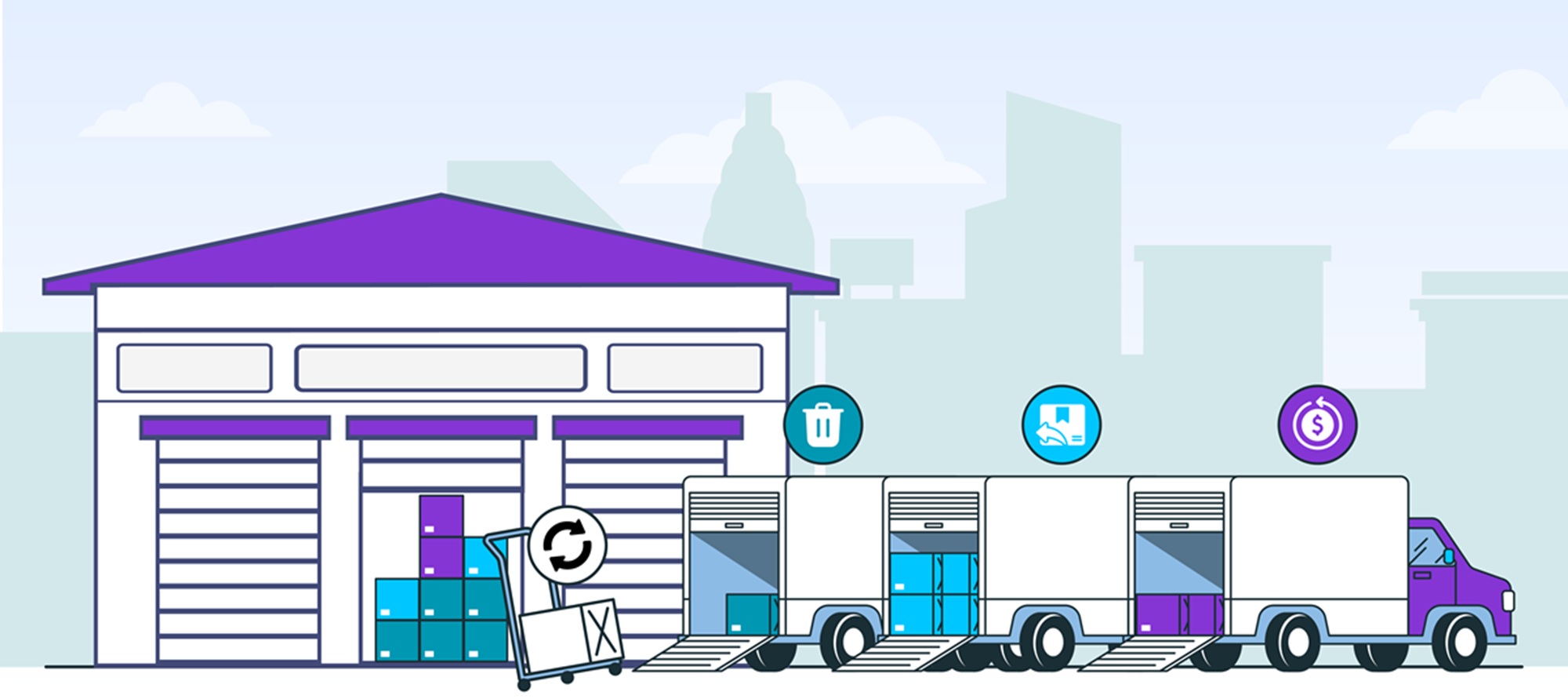
- Goods are prohibited or restricted and must be returned, destroyed, or abandoned.
Each one has different owners and different economics. If you treat them as one thing, you end up with slow refunds and a lot of manual work to explain what happened.
What breaks from domestic
Domestic returns are usually simple. A label works, a collection happens, a warehouse receives it, and a refund is triggered from a scan.
Cross-border adds three problems that change the job:
Some returns are not worth doing, or not possible.
A return can cost more than the item. Some goods cannot move back due to restrictions. Some parcels sit in a partner cage until someone authorises a disposal or abandonment outcome.
Duties and taxes turn a return into a dispute.
If the buyer paid, they want it back. If the shipper paid (DDP), finance wants to know whether duties can be reclaimed, what evidence is required, and who is funding the gap while it is processed.
Visibility and ownership go blurry.
Outbound tracking usually gets investment. Returns often get “RTS” and silence. When a return goes dark, the buyer assumes the refund is being avoided. The merchant assumes the carrier has lost it. Your team ends up chasing partners for basic facts.
This is why returns drive WISMO (Where is My Order), chargebacks, credits per 1,000 and, quietly, margin erosion.
Two return moments you will recognise
1) Duty refusal becomes a refund fight
A buyer is asked to pay duties at delivery. They refuse. The parcel is marked refused and sits at a depot. The merchant refunds the buyer to protect conversion. Then they ask you to refund the outbound cost, confirm where the parcel is, and explain whether duties are reclaimable. Customer support is stuck between “it’s with the partner” and “we don’t know the outcome yet”. Ops is chasing final status and return movement. Finance is now in the loop because the dispute is about charges and liability, not service.
The cost is not theoretical. It is hours of chasing and reconciling, plus real write-offs when the parcel never re-enters sellable stock.
2) “Return to sender” becomes a black hole
An undeliverable parcel is marked RTS. A label is created, but no export scan arrives. The merchant asks when the stock will be back. Customer support has nothing solid to point to. Ops chases the partner, the partner chases their subcontractor, and the parcel turns up weeks later without a clean event chain. In the meantime, the merchant has refunded, replaced stock, and written off inventory they might have recovered.
This is how returns distort inventory and create costs on both sides, even when outbound performance looks fine.
What a workable returns model actually looks like
Not a perfect model. A model that does not require daily intervention.
First, pick the return route per lane.
Leaders standardise because it is cheaper to manage. Cross-border breaks that because lanes behave differently. Decide what is true for each lane:
- local return to an in-country hub or address
- cross-border return back to origin
- no physical return with a policy outcome (refund without return, keep item, donate, dispose)
- not offered for certain destinations or goods
Where this fails in real life is pretending every lane can do cross-border returns cheaply. That is when partner fees and rework hours explode.
Second, set policy before the first dispute. Define three things clearly:
- who pays return shipping by reason (buyer remorse vs refusal vs clearance failure)
- what triggers a refund (drop-off scan, first carrier handover, warehouse receipt)
- how duties and taxes are treated on returns and refusals, linked to your duty model (DDP vs DDU)
If you do not define refund triggers, you get two bad outcomes: refund too early and invite fraud, or refund too late and invite chargebacks.
Third, treat returns exceptions like a proper exception loop.
Returns bring their own holds and failures: missing paperwork, prohibited goods, unpaid charges, partner handover failures. Give them owners, timers, and default outcomes. Otherwise you run them through email.
What to do next
Decide your default returns offer lane-by-lane. Tie it to value bands, commodity restrictions and partner capability.
Set refund triggers that match the lane. Faster for carrier failure, stricter for high fraud risk, and always linked to a physical scan you can rely on.
Write the duty and tax rules for returns and refusals. Make the outcome predictable for ops and defensible for finance.
Agree minimum viable return visibility. You do not need perfect tracking, but you need enough to stop chasing.
Minimum viable milestones most teams can work towards are: return initiated, handed to carrier, export, arrived back in origin country, received. If you cannot get those reliably on a lane, plan for what you will do instead, because the alternative is manual tracing.
Metrics that tell you the truth
Track returns like an operation, not a sentiment score:
- returns rate by lane and reason (buyer remorse, refused, undeliverable, clearance fail)
- time to refund (median and p90)
- refusal rate after duty notification
- return visibility rate (percentage with the core return milestones)
- cost per return, including partner fees and rework hours
If you want one weekly signal that exposes problems early, watch time to refund p90 alongside return visibility rate. When p90 drifts, WISMO rises. When visibility drops, everyone starts guessing, and guesses are expensive.
Closing the series
Cross-border becomes a product when the messy parts are designed and governed: handovers, exceptions, clearance, duty position and returns.
If you can run returns without constant chasing, you are not just delivering parcels internationally. You are running an international service that holds up under volume.