DDP vs DDU is not pricing. It is an operating model decision. If you do not choose your duty position deliberately, you will inherit it through disputes.
Most teams meet this in the first week of volume. You launch a lane with a clean rate card and a delivery promise. Then parcels start hitting clearance and the questions arrive in a rush: who is paying the duties, who is collecting, what you tell the buyer when payment fails, who approves a value change when the broker queries it, and who carries the cost when the parcel is refused.
If those answers are not written down, you do not have a clearance model. You have an argument waiting to happen.
Where this starts to bite in 2026
A lot of cross-border growth is in the cheap, high-volume parcel flow everyone assumes is “simple” until VAT, ID checks and bad data start clogging it. Low value here does not mean “no compliance”. It usually means the basket is small enough that nobody expects friction, so the first hold creates disproportionate noise.
And the rules do not stay still. A lane that ran clean last quarter can suddenly start throwing holds because a destination tightens consignee data requirements, or because a carrier partner starts enforcing a field they used to ignore.
One example most operators will recognise: a market begins insisting on a consignee identifier being present and formatted correctly. The parcels still land. They just do not clear. Brokers start asking for “missing information”, service desks start chasing merchants for IDs, and your p90 time-to-clear drifts even while the median looks fine.
Meanwhile buyers have less patience for surprise charges at the door. You do not need a trend report to see it. You see it in refused deliveries, abandoned parcels, and merchants asking why they are funding refunds on orders that never had a fair chance.
What breaks from domestic
Domestic networks do not have a true equivalent of duty disputes, broker queries, or payment collection at the end of the journey.
Cross-border does. Clearance is not a single event. It is a set of outcomes. Data quality is not a nice-to-have. Weak descriptions and unclear values become holds. And money collection is not a commercial footnote. When it fails, the parcel stops moving.
If you treat duty position as a pricing preference, the operation will decide for you, one dispute at a time.
What actually needs defining
Start with the lane offer. Be explicit: DDP, DDU, hybrid, or not offered. The point is not to pick one model globally. It is to choose lane-by-lane based on what you can run without improvising.
DDP reduces doorstep friction, but it pushes complexity upstream. You need a way to calculate and collect charges, reconcile what was charged versus what was assessed, and handle disputes when values or classifications are challenged. You also take on cashflow exposure and more admin when the assessed amount changes after the parcel has shipped.
DDU looks simpler until you are running payment failure at scale. Payment becomes an operational step sitting with the last-mile partner, and collection behaviour varies by country and carrier. If you do DDU, you are choosing a refusal and abandonment risk profile, and you should be honest about it.
Not offered is sometimes the most commercial decision you can make. If a lane has high inspection rates, inconsistent collection, or repeated data failures, selling it as “standard” will cost more than it earns.
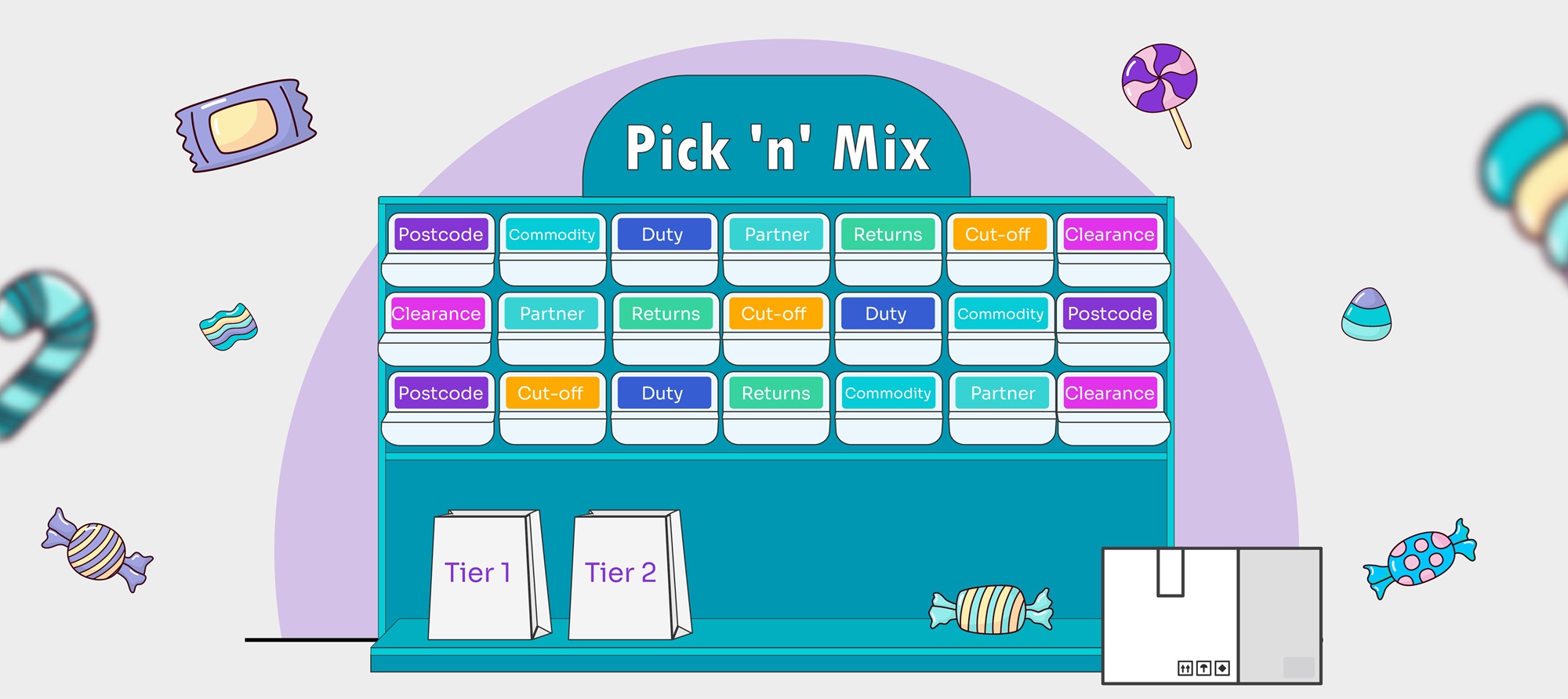
Hybrid can work, but only with hard boundaries. Where hybrid fails is when the threshold is vague, comms are inconsistent, and partners collect differently depending on destination.
A workable hybrid rule is easy to say out loud, and easy to audit, for example:
- DDP below a published basket value band, DDU above it.
- DDP on lanes where doorstep collection refusal is high, DDU where collection is reliable.
- DDP for a premium tier, DDU for a standard tier.
If you cannot explain the rule in one sentence, you are signing up for two operating models and one set of confused customers.
Two lane moments you will recognise
1) DDU payment failure spiral
The parcel clears, charges are raised, and the last-mile partner notifies the buyer. The buyer does not pay. The parcel sits. Tracking says “awaiting payment” in one system and “held” in another. Customer support tells the merchant it is waiting on the buyer but cannot say for how long. After a few days the parcel is refused or returned. The merchant expects a refund including outbound delivery costs. Finance sees credits spike on that lane. Ops spends time chasing final statuses and trying to work out whether the return is actually moving.
None of that was in the original unit economics.
2) Valuation query loop
Broker queries the value because the description is vague and the declared value looks wrong for the category. The merchant sends an amended invoice. The assessed charges change. Under DDP the shipper disputes the uplift and asks you to challenge it. Under DDU the buyer refuses to pay the higher amount. Either way the parcel sits, the service desk gets pulled in, and the lane starts to drift on p90 clearance time even though “most parcels” are still fine.
The broker and document reality
Brokers do not create friction for fun. They respond to missing information and paperwork that does not match the destination’s rules.
So define the boring things properly:
- what the commercial invoice must include for that lane
- what a clearable description looks like in practice (not “clothing”, but “men’s cotton t-shirts”, and not “gift”, but what it actually is)
- who answers broker queries, and how quickly
- what evidence you keep for disputes
- what happens when the shipper does not respond in time, because “we’re waiting” is not an outcome
If the broker is waiting on the shipper, you need a named owner to chase it and a timer. When the timer expires, the parcel routes to a policy outcome. Return, abandon, held pending payment. Whatever your policy is, it needs to be predictable, not negotiated case by case.
What to do next
Decide duty position lane-by-lane and write down the operational answers: who pays, who collects, when collection happens, and what the default outcome is if it fails. Put one person or function on the hook for changing the model when disputes spike. If decision rights are spread across teams, you will get delay and inconsistency.
Then tighten booking standards. Most clearance pain starts with weak item descriptions, missing HS codes where they are expected, unclear values, or incomplete consignee details. Bake the requirements into onboarding and booking validation, not a document folder.
Finally, build repeatable playbooks for the holds you actually see. You do not need a library. You need a few that cover most volume: inspection holds, valuation queries, prohibited goods, duties unpaid and payment failures. Each one should define first action time, what “unblocked” means, who decides the outcome, and what gets said to the merchant and buyer while it is held.
What to measure so it does not lie
Track these by lane and duty model, not blended:
- time-to-clear, using median and p90, split by hold reason
- holds per 1,000, split by reason and partner
- duty dispute rate, split into value, classification, and payment disputes
- abandonment and refusal rate, especially after duty notification
If you want one view that exposes firefighting quickly, watch p90 time-to-clear next to holds per 1,000 by reason. Medians stay calm while your worst cases create the service desk load, the partner chasing, and the commercial arguments.
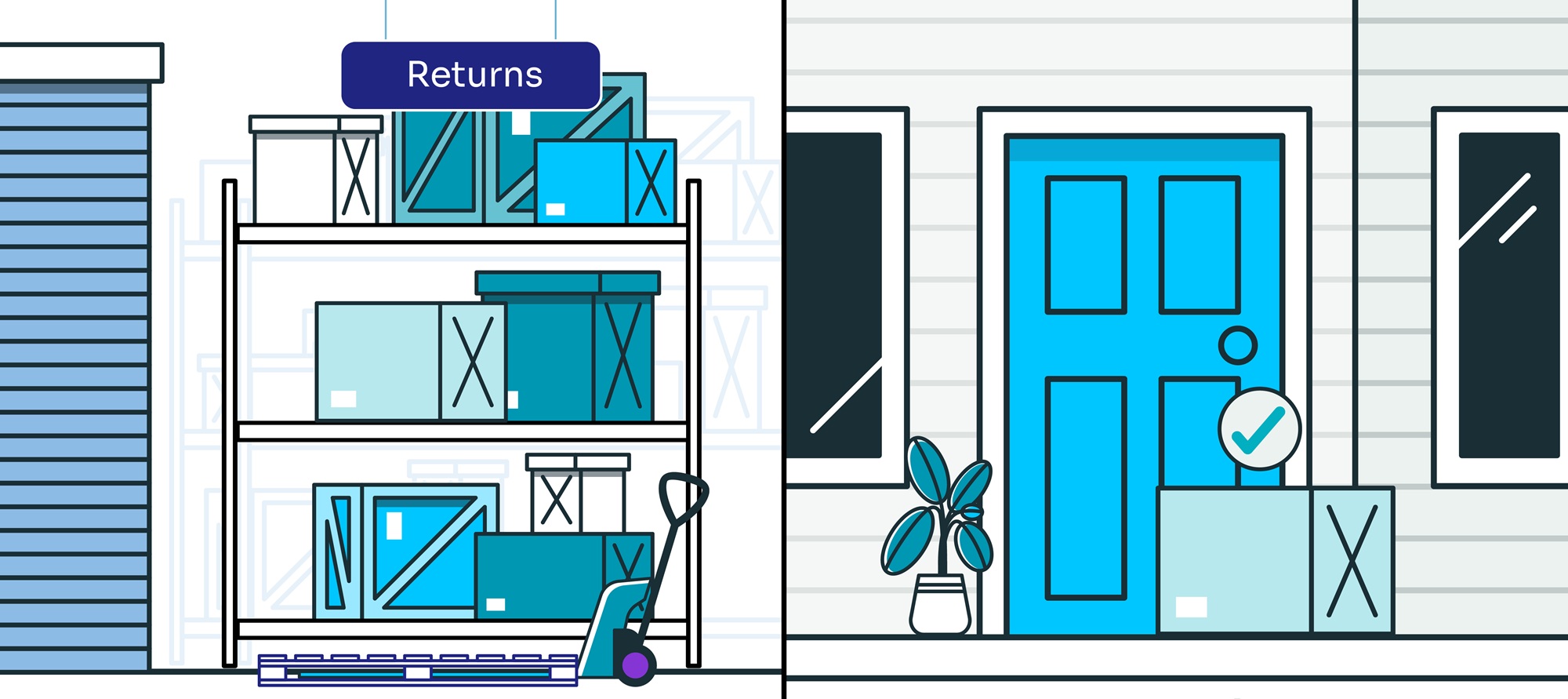
Next: Part 7 closes the series with returns, because returns is where cross-border becomes real for e-commerce volumes.