The exception loop: how to run cross-border without permanent firefighting
Exceptions are inevitable. Seeing the same ones every week is not. A bad week in cross-border rarely starts with something dramatic. It starts with three small holds that turn into thirty. A daily stand-up becomes daily triage. By Friday, you have built a shadow operation in email threads and spreadsheets. Everyone is busy. Nothing is getting steadier.
The difference is whether you are just clearing tickets or running a loop that stops the same holds coming back.
When exceptions are unmanaged, everything else slips
Cross-border has more handoffs, more rules, and less room for loose data. One market wants consignee ID before clearance. Another has an earlier broker cut-off than your team expected. One partner calls it held pending data, another calls it customs exception, and you lose half a day just lining up what has happened. Cost shows up quickly: broker chases, partner emails, customer support rework, concessions, and backlog when held volume spikes.
Most teams feel this first as distraction. The work that gets pushed aside is usually the work that keeps the service from drifting in the first place: partner performance reviews, lane fixes, rule changes, and prevention.
What breaks when you move from domestic to cross-border
Domestic exceptions can often be handled close to the parcel. A depot can ring the customer, fix an address, and push it back into flow.
Cross-border changes the shape of the problem. The fix often sits with another function, such as compliance, brokerage, partner operations, or commercial.
The missing detail is usually upstream: item description, value, HS code, invoice, or consignee ID where required. The parcel may be held by someone you do not control directly, working to their own cut-offs rather than yours. And the same issue can appear under different statuses across different systems, so teams end up debating labels before anyone does the useful bit.
Without shared ownership and clear decision rights, exceptions do not just happen. They sit. Then they come back.
What the loop looks like
A workable exception loop is simple:
Detect → classify → assign owner → first action → unblock criteria → comms → root cause → prevention → monitor
Here is a common example, end to end.
Scenario: missing consignee ID for clearance
Detect: parcel arrives in country, broker flags consignee ID missing.
Classify: missing consignee data.
Assign: the accountable owner sits with the team that owns shipper data capture and correction, not the depot floor.
First action: request the ID and any supporting document from the merchant within a defined SLA, using a standard request template.
Unblock criteria: broker confirms the ID is valid and releases the parcel, or it moves to a standard outcome under policy such as return, abandon, or hold pending payment.
Comms: the merchant gets a clear status and deadline. The customer gets a plain update where appropriate, for example held for clearance information.
Root cause: the merchant is missing a checkout field for that destination, or the data mapping is dropping it somewhere in the flow.
Prevention: update booking rules so that destination cannot manifest without the ID.
Monitor: track repeat rate for that merchant and lane for two weeks.
That is the loop. It turns exceptions into managed work instead of the same firefight in slightly different clothing.
What does good look like
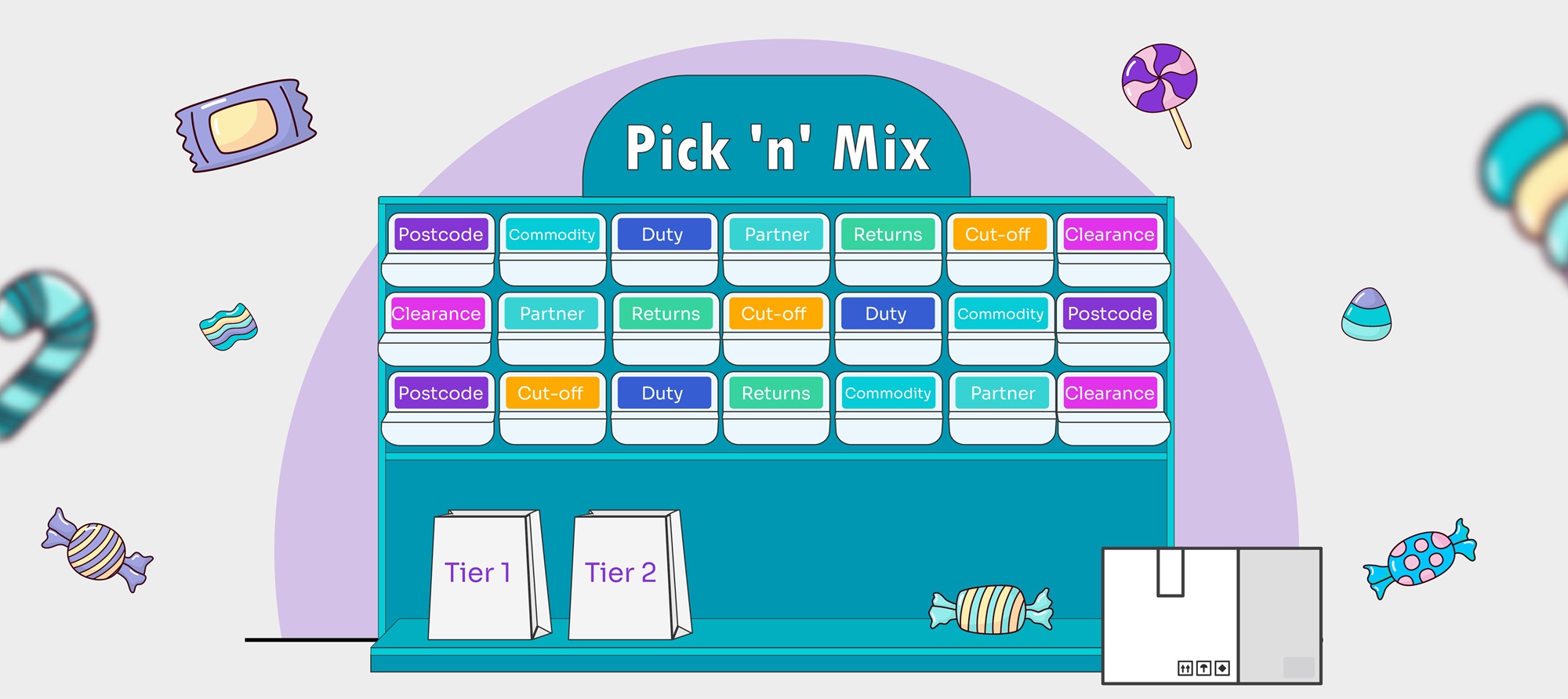
1) One taxonomy that works across carriers, brokers, and partners
You need one set of exception categories that every team can recognise, regardless of whose system generated the status.
Start with volume. Build categories that cover the top 80% of exceptions, then refine them. Ten to fifteen categories is usually enough to begin with.
Someone has to own the taxonomy. In most operations that sits with a cross-border service owner or network performance lead. If a partner will not map cleanly, route their feed into a small other bucket with a time limit on it. That bucket should be temporary, not a place where awkward problems go to hide.
To keep it useful, prioritise the categories that usually drive the most delay and the most manual work:
- missing or invalid item data such as description, value, or HS
- duties and taxes due
- held for inspection
- missing or invalid consignee data
- restricted goods query
- documentation missing
2) Named owners by exception class, with decision rights and escalation
Ownership should not default to ops. Ops can coordinate, but they cannot approve compliance decisions or invent missing documents.
For each exception class, define:
- accountable owner
- first action SLA
- resolution target
- decision authority
- escalation path
Be clear about the awkward bit as well. When the system owner and the service owner disagree, who actually decides? And if the accountable owner misses first action, does it escalate automatically, or does it just sit in the queue looking important? If the same lane keeps breaching a repeat threshold, it should move to the senior owner who can actually change the rules.
3) A weekly cadence with outputs leaders can use
If the weekly review is only a status meeting, it becomes theatre. Keep it focused on outputs and decisions.
A useful weekly pack is short enough to get through in 20 minutes and sharp enough that owners cannot hide in appendix slides:
- top 3 causes by volume and by time to resolve
- repeat offenders across lanes, partners, merchants, or SKUs
- a prevention backlog with owners, due dates, and expected impact
- lane-level actions and partner commitments
- thresholds that trigger decisions on what gets paused, tightened, or rerouted
This is where prevention either gets staffed and tracked, or quietly remains a nice idea.
What to do next
Build the taxonomy and partner mapping. Start with the biggest causes, force a minimum mapping, and tighten it monthly.
Write resolution playbooks for the top categories. Keep them short: what to request, from whom, by when, and what unblocked actually means.
Stand up the cadence and thresholds. Agree who is authorised to make the harder calls, such as booking rule changes, lane pauses, and commodity restrictions.
Metrics that tell you the truth
Track:
- exception rate by cause, per 1,000 and by lane
- time to resolve, by category and lane, using median and 90th percentile so averages do not hide the mess
- repeat rate, where the same cause keeps coming back for the same lane, partner, or merchant
- rework hours per 1,000
If there is one metric worth remembering, it is repeat rate. It tells you whether you are learning, or just paying to solve the same problem again.
Next, Part 5 shifts from operating controls to a commercial and operational design choice many teams get wrong: product and service definition.